Estate Clearance
Simplify your estate clearance with Probate Clearance London. Our expert guide covers probate, logistics, and valuation.
Knowledge Base
When a person passes away in the United Kingdom without leaving a valid legal document outlining their wishes, they are said to have died "intestate". In these circumstances, the distribution of their estate—including their home, personal possessions, and financial assets—is governed by a set of strict legal criteria known as the Rules of Intestacy. Understanding What Happens To Property When Someone Dies Without A Will is essential for family members and executors who must navigate the legalities of the probate process while managing the practicalities of clearing and preparing a home for its next chapter.
Call us
0794 455 7700Visit us
Probate Clearance London
430 Hackney Rd
London
E2 6QL
United Kingdom
Visits by appointment only. Please call ahead so we can meet you properly.
 Written by Mariusz Baran, Founder & Owner
The absence of a will does not mean the Crown automatically takes the property. Instead, the law provides a hierarchy of relatives who are entitled to inherit.
This process can be more complex than if a will were in place, often requiring a "Grant of Letters of Administration" rather than a "Grant of Probate". While the legal side is managed by administrators, the physical property still requires careful attention, from professional valuations to the sensitive removal of household contents to ensure the estate is settled correctly.
When considering What Happens To Property When Someone Dies Without A Will, the first step is identifying who has the legal authority to act. Because there is no named executor, the court must appoint an administrator.
This is typically the closest living relative, such as a spouse, civil partner, or child. Once the Grant of Letters of Administration is received, this person gains the legal right to manage the deceased's assets, including the sale or transfer of property.
The distribution of the estate follows a pre-determined order. The rules are designed to favour the most immediate family members.
If no living relatives can be found, the estate may then pass to the Crown, a situation known as bona vacantia. However, this is relatively rare, as the search for distant relatives (often conducted by genealogists or "heir hunters") is usually exhaustive.
The hierarchy of inheritance is rigid. It does not take into account the quality of relationships or any verbal promises made by the deceased.
The table below outlines how assets are generally distributed in England and Wales:
| Family Situation | Who Inherits? |
|---|---|
| Married/Civil Partners (no children) | The partner inherits the entire estate. |
| Married/Civil Partners (with children) | Partner receives all personal belongings, the first £322,000, and half of the remaining estate. Children receive the other half. |
| Unmarried Partners | No automatic right to inherit property or assets. |
| No Partner, but Children survive | The estate is divided equally among the children. |
| No Partner or Children | Inheritance follows a sequence: Parents, Siblings, Grandparents, then Uncles/Aunts. |
One of the most critical steps for an administrator is determining the "Open Market Value" of the property and its contents at the date of death. This is not just for the purpose of a sale; it is a legal requirement for HM Revenue & Customs (HMRC).
If the total value of the estate exceeds the current Inheritance Tax threshold, tax may be due before the property can be transferred or sold.
Professional valuations of household contents are equally important. Administrators must ensure that items such as antiques, jewellery, or fine art are not overlooked.
Our team often assists families by identifying items that may hold significant value, ensuring they are set aside for specialist appraisal rather than being cleared with general household goods.
We'll walk the property with you, explain what happens to each category of contents, and put it in writing.
While the legal process moves forward, the physical property requires immediate and ongoing attention. A house left vacant for several months during the probate process can become a liability.
Insurance policies often require the property to be checked regularly and for the water systems to be drained or the heating to be maintained at a minimum temperature.
Clearing a property when there is no will can be particularly sensitive. Because the deceased did not leave instructions, family members often feel a greater weight of responsibility when deciding what to keep, what to sell, and what to donate.
A structured, professional approach to clearance helps bring order to what can be a chaotic and emotional task.
If you are the person applying to be the administrator, you should ensure the property is secure as soon as possible. This involves:
- Collecting all sets of keys from neighbours or friends.
- Ensuring all windows and doors are locked.
- Redirecting post to the administrator's address to prevent a build-up of mail, which signals the house is empty.
- Checking that home insurance remains valid for an unoccupied dwelling.
In cases of intestacy, the administrator must be incredibly thorough in searching for assets. Without a will, there is no roadmap of where bank accounts, life insurance policies, or share certificates might be held.
During a professional house clearance, we prioritise the discovery of these "paper assets."
We meticulously check drawers, desks, and even hidden storage areas for:
- Property deeds and land registry documents.
- Financial statements and pension details.
- Personal photographs and sentimental heirlooms.
- Legal correspondence that might indicate the existence of other assets.
When someone dies without a will, the path to selling or transferring their property follows a specific sequence. Following these steps ensures that the administrator remains compliant with the law and that the property value is protected.
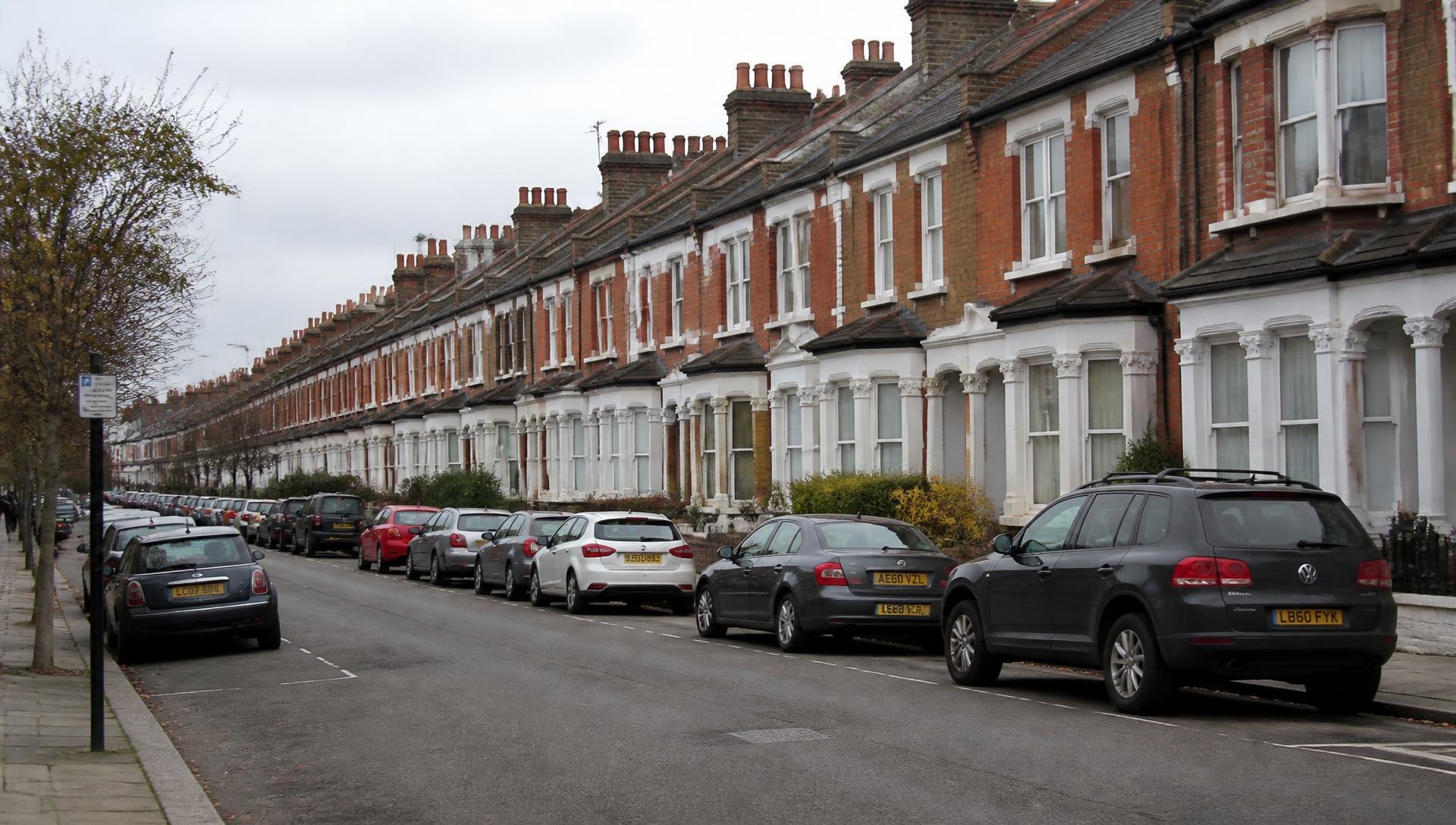
In many London boroughs, particularly in older Victorian or Edwardian terraces, properties may have been occupied by the same person for decades. Over time, these homes can become heavily cluttered, making it difficult for families to even begin the administration process.
Our service is designed to be non-judgemental; we have managed clearances in everything from pristine apartments in Kensington to heavily neglected properties in Bromley.
A clear property allows for a more accurate survey and makes the home significantly more appealing to buyers. If a property is particularly cluttered, it can also hide structural issues or signs of pests that need to be addressed before the house is put on the market.
Removing the "physical noise" of a lifetime of possessions allows the administrator to see the property's true potential and value.
Managing a probate property in London presents unique logistical hurdles. Parking restrictions, narrow streets, and the prevalence of flats can make the physical act of clearing a home difficult for families who do not have the right equipment or local knowledge.
Furthermore, many administrators live outside the capital, making it impossible to manage daily tasks.
We regularly work with executors and solicitors across Westminster, Camden, Islington, and Wandsworth. We understand the specific requirements of London property management, including:
- Coordinating with estate agents for key collection and drop-off.
- Managing parking permits and suspensions for clearance vehicles.
- Dealing with high-rise access and internal lifts in modern developments.
- Ensuring that recycling and disposal meet stringent borough regulations.
When there is no will, the administrator bears a significant legal burden. Errors in the distribution of the estate can lead to personal liability.
Because of this, many choose to delegate the practical tasks to experienced professionals. This allows the administrator to focus on the legal and financial aspects of the estate while we handle the physical transition of the home.
Our role is to provide a comprehensive service that goes beyond simple removal. We help identify items that could be sold at auction, donate usable furniture to local charities, and ensure that the property is left in a "viewing-ready" state.
This often includes a deep clean or basic garden tidy-up, which can significantly impact the final sale price.
There are several myths surrounding What Happens To Property When Someone Dies Without A Will. These misunderstandings can often lead to family disputes or delays in the probate process.
Addressing these early can help set realistic expectations for everyone involved.
This is only true if the estate is below a certain value or if there are no children. As mentioned earlier, the "statutory legacy" for a spouse is currently capped at £322,000.
If the family home is worth more than this—as is common in London—and there are children, the spouse may only own a portion of the property, with the children owning the remainder. This can make the decision to sell the house more complicated.
In the eyes of English law, there is no such thing as a "common law spouse" regarding inheritance. If a person dies without a will, their partner of 30 years has no automatic right to stay in the property if it was owned solely by the deceased.
They may have to make a claim under the Inheritance (Provision for Family and Dependants) Act 1975, which involves a lengthy and potentially expensive court process.
The government only takes the property (the Crown) if there are absolutely no qualifying relatives. The list of qualifying relatives is extensive, reaching as far as the descendants of grandparents.
Most estates eventually find a legal heir, though it may take time to locate them.
The cost of managing a property during probate can add up. From utility bills and council tax to insurance and maintenance, the administrator must keep a close record of all expenses.
These costs are usually reimbursed from the estate before the final distribution to beneficiaries.
If the property is worth a significant amount, Inheritance Tax will likely be the estate's largest liability. In the UK, the standard IHT rate is 40% on the value above the threshold.
However, there are allowances like the "Residence Nil Rate Band" which can apply if the property is being left to direct descendants (children or grandchildren). Even without a will, these allowances can often still be claimed by the administrator, provided the beneficiaries meet the criteria.
Clearing a house is not just about labour; it also involves the responsible disposal of items that cannot be sold or donated. London disposal fees are based on weight and the type of material.
A professional service will provide a transparent quote that includes these costs. We aim to recycle as much as possible, reducing the environmental impact and often lowering the overall cost for the estate by diverting waste from landfill.
Professional Tip: Always ask for an itemised quote. A reputable company will distinguish between the cost of labour, the credit given for saleable items, and the fees for commercial waste disposal. This transparency is vital for your estate accounts.Once the legal right to sell is established and the property is cleared, the goal is to maximise the return for the beneficiaries. A house that is empty, clean, and well-presented sells faster and often for a higher price than one filled with old furniture and personal effects.
Our service includes several levels of property preparation:
- Standard Clearance: Removal of all furniture, carpets (if requested), and general household items.
- Deep Cleaning: Sanitising kitchens and bathrooms, cleaning windows, and refreshing floors to make the property more inviting for viewings.
- Garden Clearance: Mowing lawns and cutting back overgrown shrubbery to improve "kerb appeal."
- Key Handling: We can collect keys from your solicitor or estate agent and return them once the work is complete, meaning you don't need to be present in London.
During the clearance process, we often find items that are suitable for auction. While the administrator is responsible for the overall valuation, we act as an extra pair of eyes.
If we find a piece of mid-century furniture, a collection of vintage watches, or even high-end kitchen appliances, we will flag these. Selling these items can help offset the costs of the clearance and increase the total value of the estate for the heirs.
No. You can put the house on the market and even accept an offer, but you cannot complete the sale or legally transfer the title until the Probate Registry has issued the Grant of Letters of Administration.
This document is the proof the Land Registry requires to change the ownership details.
The mortgage debt remains attached to the property. The administrator must continue to make payments from the estate's funds if possible, or contact the lender to arrange a "payment holiday" until the property is sold.
Once the house is sold, the mortgage is paid off first, and the remaining proceeds are distributed to the beneficiaries.
Intestacy usually takes longer than probate with a will. On average, it takes between 6 to 12 months, but it can take longer if there are difficulties finding relatives or if the property is hard to sell.
Clearing the property early in the process can help speed up the sale once the legal paperwork is ready.
No, and for many, it is practically impossible due to distance or emotional distress. You can hire a specialist probate clearance company to handle the entire process.
This ensures the job is done professionally, and you receive the necessary documentation for your estate records.
If a valid will is discovered after the Letters of Administration have been granted, the administrator must inform the Probate Registry immediately. The existing grant will be revoked, and a new Grant of Probate will be issued to the executors named in the will.
This can complicate any property sales already in progress, which is why a thorough search of the home during the initial clearance is so important.
Generally, no. Lay administrators (family members) cannot usually charge a fee for their time, though they can recover all "out-of-pocket" expenses from the estate.
This includes the cost of professional house clearance, legal fees, and property maintenance costs.
Managing a property after a death is a significant undertaking, particularly when the added layer of intestacy is involved. By understanding the legal requirements of What Happens To Property When Someone Dies Without A Will and addressing the practical needs of the home early on, you can ensure the estate is settled as smoothly as possible.
Whether you are at the start of the process or ready to prepare the property for sale, professional support is available to guide you through every practical step.
If you are managing an estate in London and need assistance with a property, talk to us about the property. We can provide a clear, practical plan to handle the clearance, allowing you to focus on the legal administration of your loved one's estate.
Last updated
About the author
Founder & Owner
Mariusz Baran is the founder and owner of Probate Clearance London, We Clear Everything London Ltd and House and Office Clearance Ltd. He has extensive hands-on experience in probate, bereavement and general property clearance across Greater London.
Simplify your estate clearance with Probate Clearance London. Our expert guide covers probate, logistics, and valuation.
Manage probate house clearance in London with ease. We find valuables, secure documents, and prepare homes for sale.
Ensure a respectful deceased estate clearance with Probate Clearance London. We handle asset recovery and probate prep.
How probate clearance work fits alongside genealogists and heir-tracing companies when beneficiaries of a London estate are difficult to locate.
Support for conveyancing solicitors moving probate sales forward: clearance, cleaning and access coordination to keep completion dates on track.
Vacant possession clearance for estate agents handling deceased estates and probate sales. Fast turnaround, tidy handover, licensed disposal across London.
Determining the probate house clearance cost in the UK is a practical priority for executors and family members preparing a property for sale or transfer.
While every estate is unique, the price is generally influenced by the volume of items, the type of waste, and the potential resale value of the contents.
You do not always need a grant of probate before clearing a house.
You do need legal authority, and you must not dispose of anything valuable before it is valued.
Managing a property after the passing of a loved one is a significant responsibility that often falls during a period of personal loss.
Probate house clearance in Croydon is a specialised service designed to assist executors, beneficiaries, and solicitors in the efficient and respectful clearing of a deceased estate.
The legal responsibility for clearing a property after a death falls to the executors named in the will, or the administrators if no will exists.
These individuals are tasked with managing the deceased person's estate, which includes the sorting and removal of all physical possessions.
Managing the contents of a property after a bereavement is a significant undertaking that requires both logistical precision and a respectful touch.
A probate house clearance Ealing service is specifically designed to support executors and families in West London as they navigate the complexities of estate administration.
Navigating the practicalities of a property after a bereavement can be a daunting prospect.
One of the most common questions executors and family members ask is: Can you empty a house before probate?
Navigating the logistical requirements of a bereavement requires a delicate balance of practical efficiency and emotional consideration.
An executry estate clearance is the professional process of vacating a deceased person's residence, ensuring the property is managed according to legal requirements and the wishes of the estate.
Value antiques before anything leaves the property.
Once an item is gone, proving what it was worth is hard.
Managing the departure of a loved one involves a complex tapestry of emotional and practical duties.
Among the most significant is the physical clearing of their residence, a task that often prompts the question: what happens to belongings after house clearance?
Yes.
House clearance is normally treated as an estate administration expense.
Stepping into the role of an executor is a profound responsibility, blending the emotional weight of loss with a sudden influx of administrative duties.
Among the most critical tasks is the preservation of the deceased's assets, specifically their property.
In many instances, the presence of reusable furniture or saleable household effects can be factored into the final cost of a probate house clearance.
This process, often referred to as offsetting clearance costs with saleable items, involves a professional assessment of the estate's contents.
Determining the probate house clearance cost in the UK is a practical priority for executors and family members preparing a property for sale or transfer.
While every estate is unique, the price is generally influenced by the volume of items, the type of waste, and the potential resale value of the contents.
Navigating the practicalities of a property after a bereavement can be a daunting prospect.
One of the most common questions executors and family members ask is: Can you empty a house before probate?
Managing a property after the passing of a loved one is a significant responsibility that often falls during a period of personal loss.
Probate house clearance in Croydon is a specialised service designed to assist executors, beneficiaries, and solicitors in the efficient and respectful clearing of a deceased estate.
Choosing the right partner to clear a property following a bereavement is a task that requires a balance of logistical efficiency and emotional sensitivity.
When an executor or family member is tasked with preparing a home for sale or transfer, the sheer volume of items—ranging from furniture to decades of paperwork—can feel overwhelming.
Managing the contents of a property after a bereavement is a significant undertaking that requires both logistical precision and a respectful touch.
A probate house clearance Ealing service is specifically designed to support executors and families in West London as they navigate the complexities of estate administration.
When a person passes away in the United Kingdom, their estate enters a legal process known as probate.
This is the period during which their assets are gathered, debts are settled, and the remaining estate contents during probate are distributed to beneficiaries.
Next step
Free, no-obligation assessment across Greater London and the M25. At Probate Clearance London, we work to your timescale and to the executor's requirements.
Learn more about probate house clearance