House Clearance After Death
Handle a house clearance after death with ease. Probate Clearance London offers respectful, expert estate services.
Knowledge Base
The legal responsibility for clearing a property after a death falls to the executors named in the will, or the administrators if no will exists. These individuals are tasked with managing the deceased person's estate, which includes the sorting and removal of all physical possessions.
Call us
0794 455 7700Visit us
Probate Clearance London
430 Hackney Rd
London
E2 6QL
United Kingdom
Visits by appointment only. Please call ahead so we can meet you properly.
 Written by Mariusz Baran, Founder & Owner
In England and Wales, the term personal representative describes the individual with the legal authority to manage a deceased person's assets. When a valid will exists, the individuals named as executors take on this duty.
If there is no will, or the named executors are unable to act, the court appoints administrators under the rules of intestacy. The personal representative is legally accountable for the property and its contents from the date of death until the estate is settled.
Clearing the house is a fundamental part of these duties. This process involves identifying items of value, preserving assets for beneficiaries, and ensuring the property is vacant for sale or return to a landlord.
While the personal representative holds the legal burden, they are not required to physically perform the clearance themselves. They may appoint professionals to handle the logistics, with the costs usually being treated as a legitimate expense of the estate.
Before a house can be cleared, the personal representative must ensure that the contents are correctly valued for Inheritance Tax purposes. HM Revenue and Customs usually requires a professional valuation of any item worth over five hundred pounds, as well as a general valuation of all household goods.
Removing items before this assessment is complete can complicate the probate process and may lead to inaccuracies in tax reporting.
Once the valuation is documented, the executor must determine which items are specific bequests named in the will. These items must be set aside for the designated beneficiaries.
Only after these legal obligations are met should the general clearance of the remaining furniture, effects, and waste begin. It is advisable to consult with a solicitor to confirm that all valuation requirements have been satisfied before disposal starts.
The time and resources required to clear a London property vary significantly based on several practical factors. The volume of accumulated possessions is the primary driver of cost, particularly in cases involving long-term residency or hoarding.
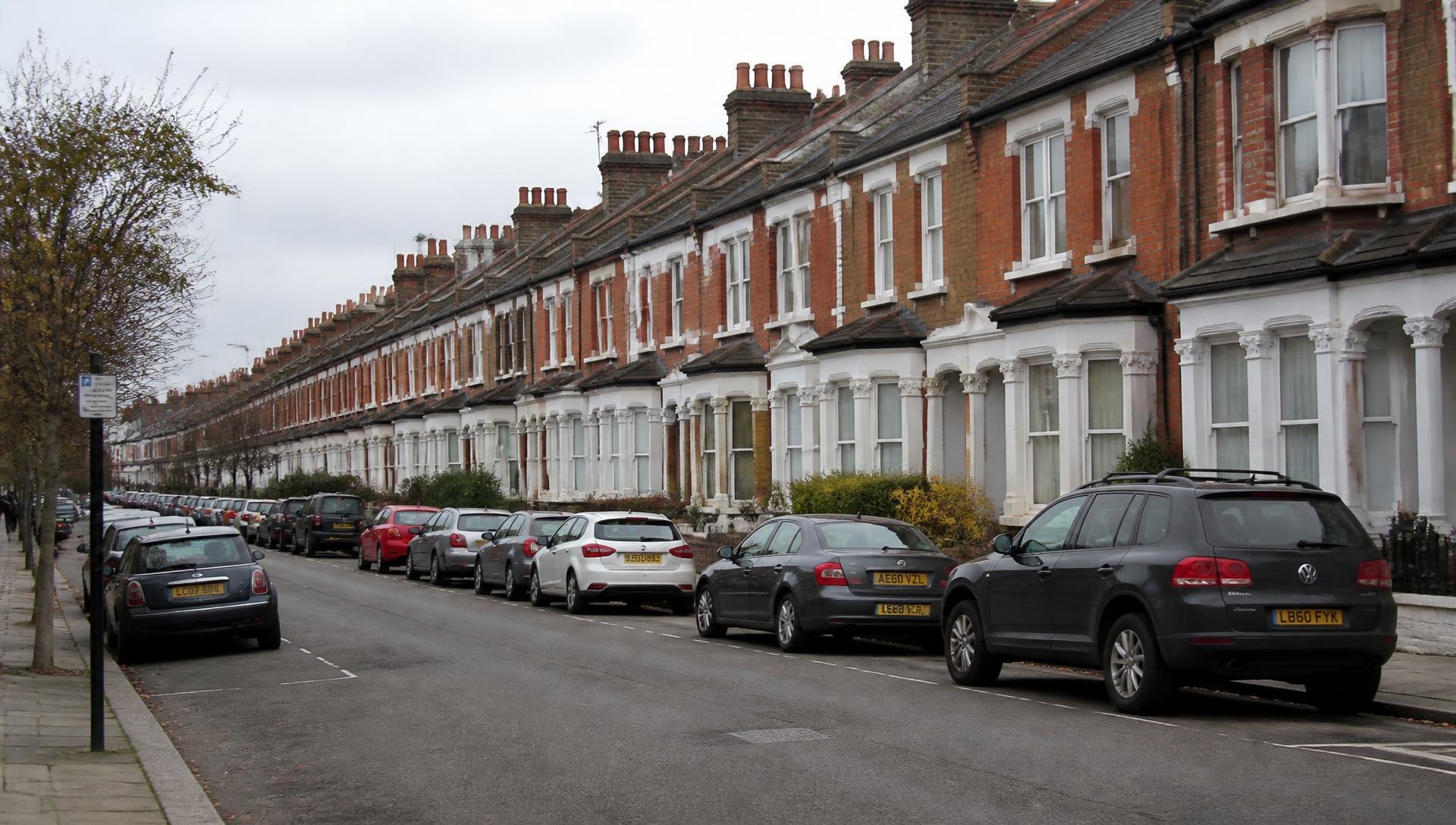
Access to the property also plays a role, as London terrace houses or high-rise apartments often present logistical challenges regarding parking and heavy lifting.
The condition of the contents further dictates the approach. Items suitable for donation or sale must be handled differently from those destined for recycling or waste disposal.
A thorough survey of the premises allows for a clear understanding of the labor and transport required. Following such a survey, a written quotation provides the estate with a transparent figure for these necessary services.
Executors have a duty of care to ensure that waste is disposed of in accordance with UK environmental regulations. This includes the proper handling of electronics, chemicals, and general refuse.
Using a licensed waste carrier protects the estate from potential fines associated with fly-tipping or illegal disposal methods. All documentation regarding the removal of goods should be retained as part of the estate's records.
If you are managing an estate in London and require assistance with the practical aspects of property clearance, please contact us to discuss the specific requirements of the premises. You can reach our team at 0794 455 7700 or by email at info@houseandofficeclearance.co.uk to arrange a site survey.
Last updated
About the author
Founder & Owner
Mariusz Baran is the founder and owner of Probate Clearance London, We Clear Everything London Ltd and House and Office Clearance Ltd. He has extensive hands-on experience in probate, bereavement and general property clearance across Greater London.
Handle a house clearance after death with ease. Probate Clearance London offers respectful, expert estate services.
Manage probate house clearance in London with ease. We find valuables, secure documents, and prepare homes for sale.
Simplify your estate clearance with Probate Clearance London. Our expert guide covers probate, logistics, and valuation.
A practical clearance partner for will writers and estate planning firms, so clients have somewhere reliable to turn once probate reaches the property.
Discreet clearance for landlords and letting agents when a tenant dies in a London rental. Support with belongings, deep cleaning and re-letting.
Support for conveyancing solicitors moving probate sales forward: clearance, cleaning and access coordination to keep completion dates on track.
Navigating the logistics of a property after a loved one has passed away is an inherently sensitive undertaking.
After death house removals represent more than just the physical clearing of a space; they are a vital step in the administration of an estate, requiring a delicate balance of emotional intelligence and professional efficiency.
Navigating the practicalities of a bereavement involves more than just administrative paperwork; it often requires the physical management of a lifetime's worth of possessions.
Who is responsible for probate house clearance is a question that usually falls to the person legally appointed to manage the deceased person's estate.
Navigating the complexities of an estate following the loss of a loved one requires a delicate balance of legal precision and emotional resilience.
In the Royal Borough of Kensington and Chelsea, where property values and historical significance often intersect, the process of determining the value of a deceased person's belongings is a critical step in estate administration.
In England and Wales, it is possible to begin clearing a property before probate is granted, provided the executors have identified all items of value and completed the necessary inheritance tax valuations.
However, the legal right to dispose of assets or distribute proceeds typically rests on the formal grant of representation.
Navigating the practicalities of a loved one's estate requires a delicate balance between logistical efficiency and emotional space.
Bereavement storage serves as a vital bridge during this transition, providing a secure environment for furniture, heirlooms, and personal effects while legal and emotional processes unfold.
You do not always need a grant of probate before clearing a house.
You do need legal authority, and you must not dispose of anything valuable before it is valued.
Navigating the logistical requirements of a bereavement requires a delicate balance of practical efficiency and emotional consideration.
An executry estate clearance is the professional process of vacating a deceased person's residence, ensuring the property is managed according to legal requirements and the wishes of the estate.
Value antiques before anything leaves the property.
Once an item is gone, proving what it was worth is hard.
Managing the departure of a loved one involves a complex tapestry of emotional and practical duties.
Among the most significant is the physical clearing of their residence, a task that often prompts the question: what happens to belongings after house clearance?
Yes.
House clearance is normally treated as an estate administration expense.
Stepping into the role of an executor is a profound responsibility, blending the emotional weight of loss with a sudden influx of administrative duties.
Among the most critical tasks is the preservation of the deceased's assets, specifically their property.
In many instances, the presence of reusable furniture or saleable household effects can be factored into the final cost of a probate house clearance.
This process, often referred to as offsetting clearance costs with saleable items, involves a professional assessment of the estate's contents.
A House Contents Valuation for Probate is the formal process of assessing the open market value of all personal possessions within a deceased person's estate.
This valuation is a legal requirement in the UK, used to calculate potential Inheritance Tax (IHT) liabilities and to ensure the HMRC receives an accurate account of the estate's total worth.
When a person passes away in the UK, identifying and locating their assets is one of the most critical steps in the probate process.
How to find property of deceased individuals involves a systematic search for physical real estate, financial accounts, and personal belongings to ensure the estate is managed correctly and inheritance tax is calculated accurately.
Managing the practicalities of a property after a bereavement is a significant responsibility.
A probate house clearance involves the systematic sorting, removal, and responsible disposal of the contents of a home following a death.
Navigating the practicalities of a property after a bereavement is a significant undertaking that requires a blend of sensitivity and methodical planning.
How To Clear A House After Someone Dies involves more than just removing furniture; it is a process of identifying legal documents, assessing valuations for probate, and deciding which items should be kept, donated, or recycled.
Managing the practicalities of an estate after a bereavement is a significant responsibility that often involves handling a property filled with a lifetime of memories and possessions.
Probate House Clearance and Auctions represent a specialized approach to this task, combining the physical clearing of a home with the professional assessment and sale of items that hold financial value.
Choosing the right partner to clear a property following a bereavement is a task that requires a balance of logistical efficiency and emotional sensitivity.
When an executor or family member is tasked with preparing a home for sale or transfer, the sheer volume of items—ranging from furniture to decades of paperwork—can feel overwhelming.
Next step
Free, no-obligation assessment across Greater London and the M25. At Probate Clearance London, we work to your timescale and to the executor's requirements.
Learn more about probate house clearance