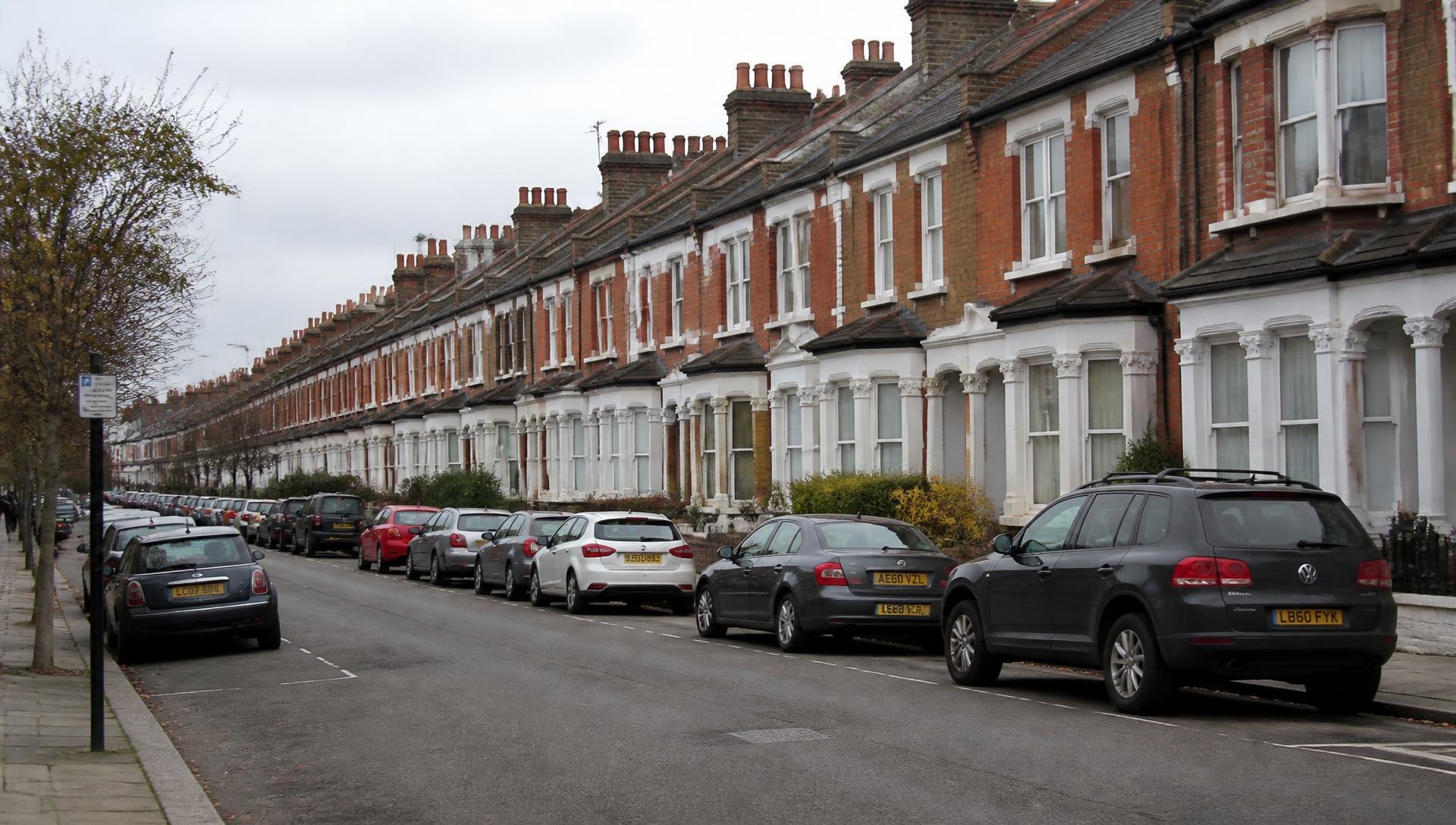
House Clearance After Death
Handle a house clearance after death with ease. Probate Clearance London offers respectful, expert estate services.
Knowledge Base
In many instances, the presence of reusable furniture or saleable household effects can be factored into the final cost of a probate house clearance. This process, often referred to as offsetting clearance costs with saleable items, involves a professional assessment of the estate's contents.
Call us
0794 455 7700Visit us
Probate Clearance London
430 Hackney Rd
London
E2 6QL
United Kingdom
Visits by appointment only. Please call ahead so we can meet you properly.
 Written by Mariusz Baran, Founder & Owner
When managing a deceased estate in London, the primary objective is often the efficient and respectful removal of all contents to prepare the property for sale or transfer. The total cost of this service typically includes labour, transport, and the appropriate disposal fees for non-recyclable waste.
However, if a property contains items that retain significant resale value, such as vintage furniture, collectables, or high-quality appliances, these can be appraised as part of the initial survey.
The presence of these items does not necessarily mean a clearance is free, but their market value is often deducted from the service fee. This approach ensures that functional items are redirected back into the secondary market rather than being treated as waste, which is both financially sensible and environmentally responsible.
The assessment is based on current market demand, the condition of the items, and the logistical effort required to remove and transport them to a suitable buyer or auction house.
Several variables determine whether an item can effectively offset the cost of a clearance. The most significant factor is the secondary market demand within London and the wider UK.
For example, mid-century modern furniture or certain antiques may have a clear resale path, whereas large, heavy wardrobes from the late 20th century often have little to no commercial value due to modern housing constraints and changing tastes.
Condition is equally important. Items must be free from significant damage, structural instability, or heavy staining to be considered saleable.
Furthermore, upholstered furniture, such as sofas and armchairs, must retain their original fire safety labels to be legally resold in the UK. If these labels are missing, the items cannot be sold or donated to charity shops, meaning they must be disposed of as waste, which incurs a cost rather than providing a credit.
A written quotation for a probate clearance is provided after a thorough physical or photographic survey of the property. During this visit, the clearance team identifies which contents have resale potential and which require disposal.
This transparent breakdown allows executors and solicitors to understand the gross cost of the labour and disposal versus the credit applied for the contents.
It is important to note that the valuation provided by a clearance company may differ from an insurance valuation or a specific probate valuation for HMRC purposes. While a probate valuation estimates what an item might fetch at auction, the clearance offset accounts for the immediate costs of removal, storage, and the risks associated with resale.
Executors should consult with their solicitor to ensure that the method of disposing of assets aligns with the requirements of the estate's administration.
Offsetting clearance costs with saleable items is closely linked to sustainable waste management. By identifying goods that are fit for reuse, the volume of material sent to landfill or energy-from-waste plants is reduced.
Items that do not have a high commercial value but are still functional are often donated to local London charities or community projects. While these donations do not always provide a direct financial offset, they contribute to an ethical clearance process that respects the legacy of the deceased.
To discuss the specific requirements of a property and to arrange a survey, please contact Hoarders Cleaners on 0794 455 7700 or email info@houseandofficeclearance.co.uk.
Last updated
About the author
Founder & Owner
Mariusz Baran is the founder and owner of Probate Clearance London, We Clear Everything London Ltd and House and Office Clearance Ltd. He has extensive hands-on experience in probate, bereavement and general property clearance across Greater London.
Handle a house clearance after death with ease. Probate Clearance London offers respectful, expert estate services.
Manage probate house clearance in London with ease. We find valuables, secure documents, and prepare homes for sale.
Simplify your estate clearance with Probate Clearance London. Our expert guide covers probate, logistics, and valuation.
How we work with London charities that accept furniture and household goods during probate clearances, so reusable items go to people who need them.
Clearance support for auctioneers and antiques dealers, handling the residual contents of a property once items of value have been identified and removed.
House clearance for solicitors and professional executors handling probate estates across London, coordinated around timescales, sale readiness and.
Dealing with a property after a bereavement is a significant undertaking, combining legal requirements with the practical necessity of clearing a home.
In the diverse urban landscape of East London, this process often involves navigating terraced houses in Hackney, modern apartments in Canary Wharf, or large family homes in Redbridge.
There is no fixed price for a probate clearance.
The cost depends on volume, weight, access, and disposal fees.
Managing the practicalities of a property after a bereavement is a significant responsibility.
A probate house clearance Enfield service provides the logistical support required to empty a home while ensuring that the legal and emotional requirements of the estate are met.
Yes.
House clearance is normally treated as an estate administration expense.
Managing the practicalities of a property after a client's passing is a significant undertaking for any legal professional.
A probate house clearance for solicitors involves far more than simply removing furniture; it requires a methodical approach to asset identification, document recovery, and property preparation.
Value antiques before anything leaves the property.
Once an item is gone, proving what it was worth is hard.
Navigating the logistical requirements of a bereavement requires a delicate balance of practical efficiency and emotional consideration.
An executry estate clearance is the professional process of vacating a deceased person's residence, ensuring the property is managed according to legal requirements and the wishes of the estate.
Value antiques before anything leaves the property.
Once an item is gone, proving what it was worth is hard.
Managing the departure of a loved one involves a complex tapestry of emotional and practical duties.
Among the most significant is the physical clearing of their residence, a task that often prompts the question: what happens to belongings after house clearance?
Yes.
House clearance is normally treated as an estate administration expense.
Stepping into the role of an executor is a profound responsibility, blending the emotional weight of loss with a sudden influx of administrative duties.
Among the most critical tasks is the preservation of the deceased's assets, specifically their property.
In England and Wales, it is possible to begin clearing a property before probate is granted, provided the executors have identified all items of value and completed the necessary inheritance tax valuations.
However, the legal right to dispose of assets or distribute proceeds typically rests on the formal grant of representation.
Managing the practicalities of a property after a bereavement is a significant responsibility.
A probate house clearance in Bromley involves more than just removing furniture; it requires a methodical approach to sorting personal effects, identifying assets for the estate valuation, and preparing the building for its next chapter.
When a person passes away in the United Kingdom without leaving a valid legal document outlining their wishes, they are said to have died "intestate".
In these circumstances, the distribution of their estate—including their home, personal possessions, and financial assets—is governed by a set of strict legal criteria known as the Rules of Intestacy.
Managing the practicalities of a property after a bereavement is a significant responsibility.
A probate house clearance Camden service provides a professional solution for executors and families who need to clear a home in preparation for sale, transfer, or valuation.
When a family member or friend passes away, the immediate focus is naturally on funeral arrangements and legal duties.
However, practical tasks within the home often require urgent attention, particularly regarding health-related items.
Determining the probate house clearance cost in the UK is a practical priority for executors and family members preparing a property for sale or transfer.
While every estate is unique, the price is generally influenced by the volume of items, the type of waste, and the potential resale value of the contents.
Managing the contents of a property after a bereavement is a significant undertaking that requires a balance of emotional sensitivity and practical efficiency.
Determining what to do with furniture after someone dies involves navigating legal obligations, such as probate valuations, alongside the logistical challenges of clearing a home for sale or transfer.
Next step
Free, no-obligation assessment across Greater London and the M25. At Probate Clearance London, we work to your timescale and to the executor's requirements.
Learn more about probate house clearance