House Clearance After Death
Handle a house clearance after death with ease. Probate Clearance London offers respectful, expert estate services.
Guides
Navigating the logistical requirements of a deceased estate is a task that carries significant emotional weight. Emptying a house after death is rarely a simple matter of logistics; it is a sensitive process that involves managing a lifetime of memories, securing legal assets, and fulfilling the final wishes of a loved one. Whether you are a grieving family member or an executor appointed by the court, the transition from a lived-in home to an empty property requires a steady, methodical approach.
Call us
0794 455 7700Visit us
Probate Clearance London
430 Hackney Rd
London
E2 6QL
United Kingdom
Visits by appointment only. Please call ahead so we can meet you properly.
 Written by Mariusz Baran, Founder & Owner
At Probate Clearance London, we understand that this responsibility often arrives during a period of profound personal loss. Our role is to act as a professional partner, providing the physical strength and expert guidance necessary to handle the clearance with dignity.
By focusing on respectful handling and ethical disposal, we ensure that the residence is prepared for its next chapter, whether that involves a sale, a transfer of tenancy, or a refurbishment.
Managing a property in London or the Home Counties presents unique challenges, from parking restrictions to the specific requirements of the UK probate system. This guide is designed to serve as a comprehensive resource, helping you navigate every stage of the process with clarity and confidence.
We believe that professional integrity is the cornerstone of a successful clearance, ensuring that no item is overlooked and no legal obligation is ignored.
Emptying a house after death refers to the systematic removal of all personal effects, furniture, and fixtures from a deceased person's residence. This process is a critical component of estate administration, aimed at preparing the property for valuation, sale, or return to a landlord.
It involves sorting items into categories for retention, sale, donation, and recycling, while adhering to UK probate laws and environmental regulations.
Before the physical work of emptying a house after death can begin, the legal framework must be respected. In the UK, the authority to manage a deceased person's assets rests with the Executor or the Administrator.
If a will exists, the Executor named within it usually has the immediate authority to protect the property, although a Grant of Probate is often required to sell or transfer the title.
If you are acting as an Executor, you have a fiduciary duty to the beneficiaries. This means you must act in their best interests, ensuring that the value of the estate is preserved.
Rushing into a clearance without a proper inventory can lead to disputes or legal complications later. We recommend documenting the condition of the property and its contents as soon as it is safe to do so.
For those managing services for solicitors, the focus is often on transparency and audit trails. Every item removed must be accounted for, and the costs associated with the clearance must be reasonable and justifiable to the estate.
Professional teams provide the necessary paperwork, including waste transfer notes and itemised receipts, to ensure the administration remains beyond reproach.
An unoccupied property is a vulnerable asset. One of the first steps in emptying a house after death is ensuring the building is secure.
This involves more than just locking the front door; it requires a proactive approach to risk management. Insurance policies for unoccupied homes often have strict requirements that must be met to remain valid.
| Action Item | Reasoning | Urgency |
|---|---|---|
| Change the Locks | Prevents unauthorised access by anyone with old keys. | High |
| Drain Water Systems | Prevents burst pipes during winter months in vacant homes. | Medium |
| Redirect Mail | Prevents a buildup of post, which signals the house is empty. | High |
| Check Insurance | Standard policies may expire after 30 days of unoccupancy. | High |
The most difficult aspect of emptying a house after death is the emotional weight attached to physical objects. Homes are repositories of memories, and deciding what to keep and what to let go of is a delicate task.
We suggest taking a tiered approach to sorting, allowing yourself the time to process the significance of various items without becoming overwhelmed.
Start by identifying items with clear sentimental value—photographs, letters, and personal mementos. These should be set aside and moved to a secure location early in the process.
Once these precious items are safe, the focus can shift to items of financial value. In London, many homes contain antiques, fine art, or mid-century furniture that may hold significant market value.
Obtaining a professional valuation is not just a practical step; it is a legal necessity for estates exceeding the Inheritance Tax threshold. By identifying high-value items early, we can often help offset the cost of the probate house clearance through the purchase or facilitated sale of these goods.
This creates a seamless transition from a cluttered home to a manageable estate.
Conducting a house clearance after death in a metropolitan environment like London requires specific expertise. The logistical hurdles can be daunting for those unfamiliar with the city's unique infrastructure.
From the narrow streets of Kensington to the leafy suburbs of Barnet, each area demands a different tactical approach.
Parking permits and suspensions are a primary concern. Many London boroughs require advanced notice to park a clearance vehicle, and failure to secure these can result in heavy fines or delays.
Our team handles these administrative details, ensuring that the clearance proceeds without interruption. We are also well-versed in navigating the Ultra Low Emission Zone (ULEZ) and Congestion Charge zones, maintaining full compliance with city regulations.
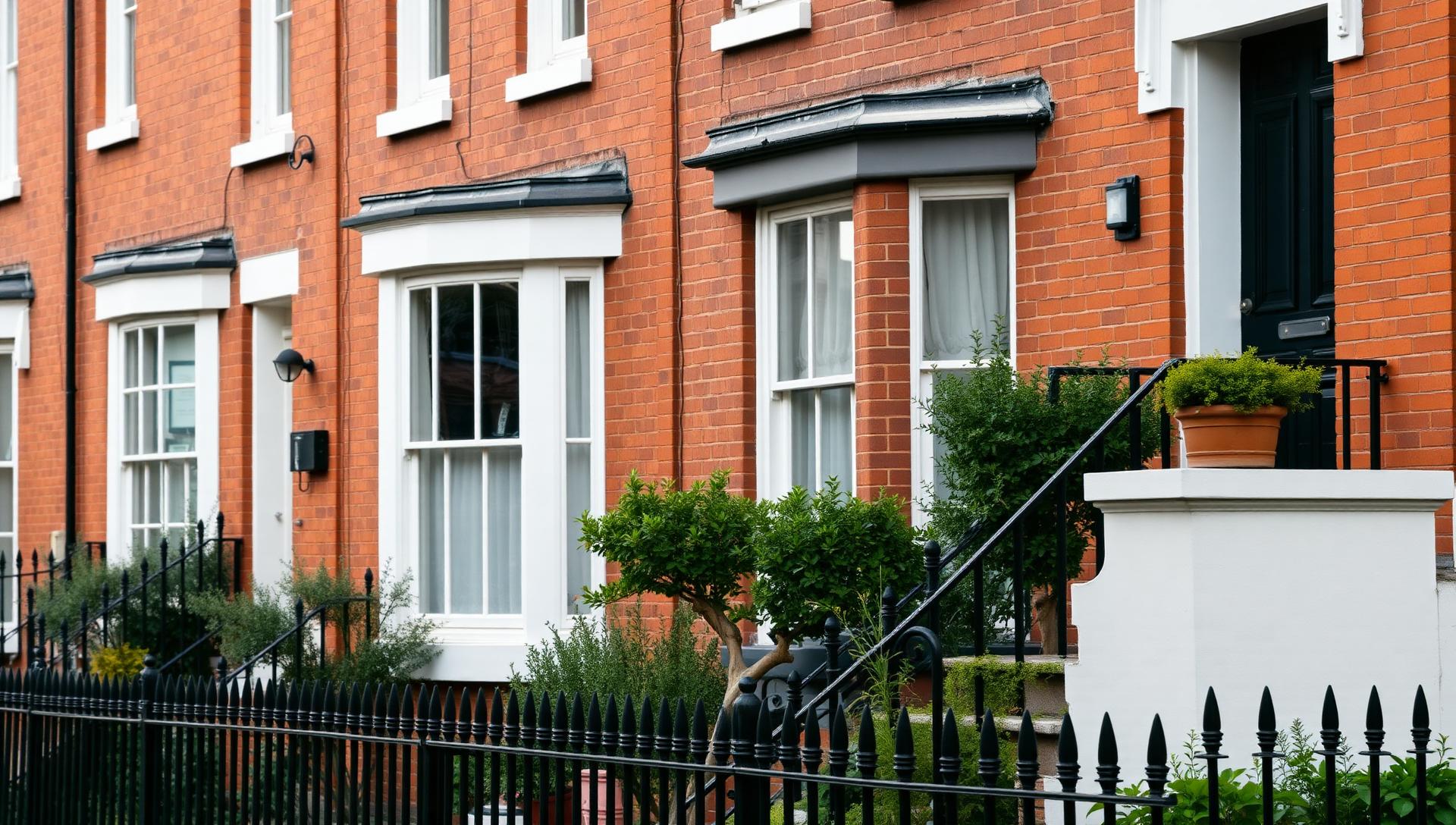
Furthermore, the physical structure of London properties—ranging from high-rise flats in Ealing to Victorian terraces in South London—requires specialised equipment. Whether it involves navigating steep staircases or using hoists for bulky furniture, professional integrity means having the right tools for the job.
We pride ourselves on our ability to work discreetly, minimising disruption to neighbours during a sensitive time.
When emptying a house after death, there is often a large volume of items that are no longer needed but remain in good condition. We believe that ethical disposal is a fundamental responsibility.
Rather than viewing these items as a burden, we see them as an opportunity to support the community and protect the environment.
We maintain partnerships with various charitable organisations across London. Furniture, clothing, and household goods that are in reusable condition are directed toward these charities, ensuring they find a new purpose.
This approach not only reduces the amount of waste sent to landfill but also honours the legacy of the deceased by helping those in need.
For items that cannot be donated, recycling is the next priority. From electronics to textiles, we ensure that materials are processed at licensed facilities.
As fully insured and licensed waste carriers, we provide you with the peace of mind that all removals are handled in strict accordance with UK environmental laws. This commitment to transparency is a core value of our service, protecting you from the risks of illegal fly-tipping associated with less reputable operators.
Many people underestimate the volume of waste generated when a house is fully cleared. A typical three-bedroom home can yield several tonnes of material.
By using a professional service, you ensure that:
Once the process of emptying a house after death is complete, the focus shifts to restoration. An empty house often reveals areas that require attention, from dusty corners to minor repairs.
To achieve the best possible price in the London property market, the residence must be presented in its best light.
A professional deep clean is often the final step in a bereavement house clearance. This goes beyond standard domestic cleaning, targeting carpets, upholstery, and hard-to-reach areas.
Our team works to remove any lingering scents or signs of neglect, creating a neutral canvas that allows potential buyers to envision their own future in the space.
For executors, this stage is vital for fulfilling their duty to maximise the estate's value. A clean, well-presented property typically sells faster and for a higher price than one that appears neglected.
Whether the property is located in Harrow or Bromley, our restoration services provide a respectful handling of the physical space, ensuring it is ready for immediate viewing or renovation.
Managing a deceased estate is a complex task, and it is easy to make errors when under emotional stress. One of the most common mistakes is attempting to clear the property too quickly.
While it may feel like a way to find closure, rushing can lead to the accidental disposal of important documents or valuable heirlooms hidden in unlikely places.
Another frequent oversight is failing to verify the credentials of a clearance provider. The "man with a van" offering a suspiciously low price often lacks the necessary waste carrier licenses and insurance.
If your items are later found fly-tipped, you as the estate representative could be held legally responsible and face significant fines. Professional integrity requires choosing a partner who provides full documentation and operates within the law.
Finally, many people forget to check for "hidden" assets. We have frequently discovered cash, jewellery, and important legal papers tucked away in coat pockets, under floorboards, or at the back of wardrobes.
A professional team is trained to be vigilant, setting aside anything that appears to be of personal or financial significance for your review.
| Risk Factor | Potential Consequence |
|---|---|
| Physical Injury | Strains or accidents from lifting heavy furniture without equipment. |
| Legal Liability | Fines for improper waste disposal or lack of insurance. |
| Emotional Burnout | The psychological toll of handling a loved one's belongings for days on end. |
| Financial Loss | Accidentally discarding items of value or damaging the property. |
We understand that cost is a significant factor for any executor. The price of emptying a house after death is influenced by several variables, including the volume of items, the presence of hazardous materials, and the location of the property.
At Probate Clearance London, we prioritise transparency in our pricing, providing detailed quotes that avoid hidden fees.
To help you budget effectively, we offer a clearance cost estimator on our website. This tool provides a baseline for your expectations, though a physical or video assessment is usually required for a firm quote.
Remember that the cost of a professional clearance is typically a tax-deductible expense for the estate, reducing the overall Inheritance Tax liability.
Furthermore, our ability to value and purchase high-quality items can significantly reduce the net cost of the service. If the property contains valuable antiques or collectibles, we can provide a probate contents valuation and offer a credit against the clearance fee. this balanced approach ensures that the estate receives fair value for its assets while benefiting from professional labour.
The journey of settling an estate is often long and winding. From the initial valuation to the final sale of the property, there are many milestones to reach.
We see ourselves as more than just a clearance company; we are a partner in the probate process. Our expertise allows us to work seamlessly alongside solicitors, estate agents, and family members to ensure every requirement is met.
For those just beginning this journey, our probate timeline planner can be an invaluable tool. It helps you visualise the steps ahead and understand where the house clearance fits into the broader administrative picture.
Whether you are dealing with a small flat in Croydon or a large family home in North London, we provide the same level of care and attention to detail.
Ultimately, emptying a house after death is about honouring the past while preparing for the future. By choosing a team that values respectful handling and professional integrity, you can focus on the emotional aspects of your loss while we take care of the heavy lifting.
We are here to provide the steady hand you need during this transition.
The duration depends on the size of the property and the density of its contents. A standard two-to-three-bedroom home in London typically takes one to two days to clear fully.
Larger estates or properties with significant accumulation may require more time. We always provide a clear timeframe during our initial assessment to help you plan accordingly.
Yes, you can begin the process of emptying a house after death before probate is granted, provided you have the authority to do so (such as being the named Executor). However, you must ensure a professional valuation is completed first for tax purposes.
It is also wise to keep detailed records of all items removed and any costs incurred by the estate.
We follow a strict hierarchy of ethical disposal. Items in good condition are donated to local charities.
Materials that can be repurposed, such as metal, wood, and paper, are taken to recycling centres. Only items that are completely unusable and cannot be recycled are taken to licensed waste transfer stations.
We aim for a high diversion rate from landfill.
Yes, we carry comprehensive public liability insurance and professional indemnity insurance. This protects both our team and your property during the clearance process.
Whether we are working in a modern apartment or a historic residence in West London, we adhere to strict safety protocols to prevent damage to the building's interior.
We are equipped to handle a wide range of situations, including properties that may have been neglected. While we handle standard household chemicals and paints as part of a clearance, we can also arrange for specialist services if hazardous materials like asbestos are suspected.
Our deep cleaning service is designed to restore even the most challenging environments to a marketable state.
We treat all personal information with the utmost discretion. Any legal documents, financial records, or personal letters found during the process are safely set aside and returned to the Executor.
If you request that certain documents be destroyed, we provide secure shredding services to ensure data protection and prevent identity theft.
It is not necessary for you to be present. Many of our clients, particularly those living outside of London or those who find the process too emotional, prefer to provide us with access through a solicitor or estate agent.
We can provide photographic evidence of the completed work and ensure the property is locked and secured before we leave.
If you are ready to discuss your requirements or need further guidance on emptying a house after death, please contact our team. We provide a calm, professional service tailored to your specific needs across Enfield, London, and the surrounding regions.
Last updated
About the author
Founder & Owner
Mariusz Baran is the founder and owner of Probate Clearance London, We Clear Everything London Ltd and House and Office Clearance Ltd. He has extensive hands-on experience in probate, bereavement and general property clearance across Greater London.
Handle a house clearance after death with ease. Probate Clearance London offers respectful, expert estate services.
Simplify your estate clearance with Probate Clearance London. Our expert guide covers probate, logistics, and valuation.
Manage probate house clearance in London with ease. We find valuables, secure documents, and prepare homes for sale.
Bereavement support organisations can refer families struggling with the practical side of a property clearance. Free assessment, no pressure, quotes.
Support for London councils clearing tenanted or void council properties after a death, especially where no next of kin can act. Assessment-based quotes.
How we work with London charities that accept furniture and household goods during probate clearances, so reusable items go to people who need them.
Navigating the logistics of a property after the loss of a loved one is a task that carries significant emotional and administrative weight.
Many executors and family members find themselves asking, do i need to be present during house clearance, particularly when balancing their own professional lives or living some distance from the property in question.
Anyone removing waste from a property for payment must be a registered waste carrier.
Executors should check the registration before instructing a firm.
Managing the logistical requirements of clearing deceased estate scotland involves a unique blend of legal adherence and physical transition.
In the Scottish legal system, the process of winding up an estate—known as Confirmation rather than Probate—imposes specific duties on executors to ensure all assets are accounted for and the property is prepared for its next purpose.
Preparing a property for probate house clearance involves identifying items of significant value and securing legal documentation before any physical removal begins.
This process ensures that executors meet their legal obligations while facilitating a structured and efficient clearing service.
Managing the departure of a loved one involves a complex tapestry of emotional and practical duties.
Among the most significant is the physical clearing of their residence, a task that often prompts the question: what happens to belongings after house clearance?
We clear probate properties across Greater London.
That covers all 32 boroughs and the City of London.
Navigating the logistical requirements of a bereavement requires a delicate balance of practical efficiency and emotional consideration.
An executry estate clearance is the professional process of vacating a deceased person's residence, ensuring the property is managed according to legal requirements and the wishes of the estate.
Value antiques before anything leaves the property.
Once an item is gone, proving what it was worth is hard.
Managing the departure of a loved one involves a complex tapestry of emotional and practical duties.
Among the most significant is the physical clearing of their residence, a task that often prompts the question: what happens to belongings after house clearance?
Yes.
House clearance is normally treated as an estate administration expense.
Stepping into the role of an executor is a profound responsibility, blending the emotional weight of loss with a sudden influx of administrative duties.
Among the most critical tasks is the preservation of the deceased's assets, specifically their property.
In many instances, the presence of reusable furniture or saleable household effects can be factored into the final cost of a probate house clearance.
This process, often referred to as offsetting clearance costs with saleable items, involves a professional assessment of the estate's contents.
Clearing a property after a bereavement is a significant task that combines logistical challenges with emotional weight.
In the United Kingdom, a probate house clearance involves the removal of furniture, personal effects, and general household items from a home following the death of the owner or tenant.
Managing a family home after a bereavement is a significant responsibility that involves a blend of emotional processing and practical administration.
Knowing what to do with parents belongings after death requires a structured approach to ensure that the estate is handled correctly, legal obligations are met, and the property is eventually prepared for its next chapter.
Managing a house clearance after someone dies in the UK is a multi-layered process that combines emotional resilience with practical logistics.
It involves more than just removing furniture; it requires a structured approach to identifying legal documents, valuing assets for probate, and ensuring the property is left in a suitable condition for sale or transfer.
When a person passes away in the United Kingdom without leaving a valid legal document outlining their wishes, they are said to have died "intestate".
In these circumstances, the distribution of their estate—including their home, personal possessions, and financial assets—is governed by a set of strict legal criteria known as the Rules of Intestacy.
A House Contents Valuation for Probate is the formal process of assessing the open market value of all personal possessions within a deceased person's estate.
This valuation is a legal requirement in the UK, used to calculate potential Inheritance Tax (IHT) liabilities and to ensure the HMRC receives an accurate account of the estate's total worth.
When a family member or friend passes away, the immediate focus is naturally on funeral arrangements and legal duties.
However, practical tasks within the home often require urgent attention, particularly regarding health-related items.
Next step
Free, no-obligation assessment across Greater London and the M25. At Probate Clearance London, we work to your timescale and to the executor's requirements.
Learn more about probate house clearance