House Clearance After Death
Handle a house clearance after death with ease. Probate Clearance London offers respectful, expert estate services.
Guides
Clearing parents' house after death is a significant undertaking that combines physical labour with complex administrative and emotional considerations. In the United Kingdom, this process often follows the granting of probate, requiring executors to manage the removal of furniture, personal effects, and accumulated household items to prepare a property for sale or transfer.
Call us
0794 455 7700Visit us
Probate Clearance London
430 Hackney Rd
London
E2 6QL
United Kingdom
Visits by appointment only. Please call ahead so we can meet you properly.
 Written by Mariusz Baran, Founder & Owner
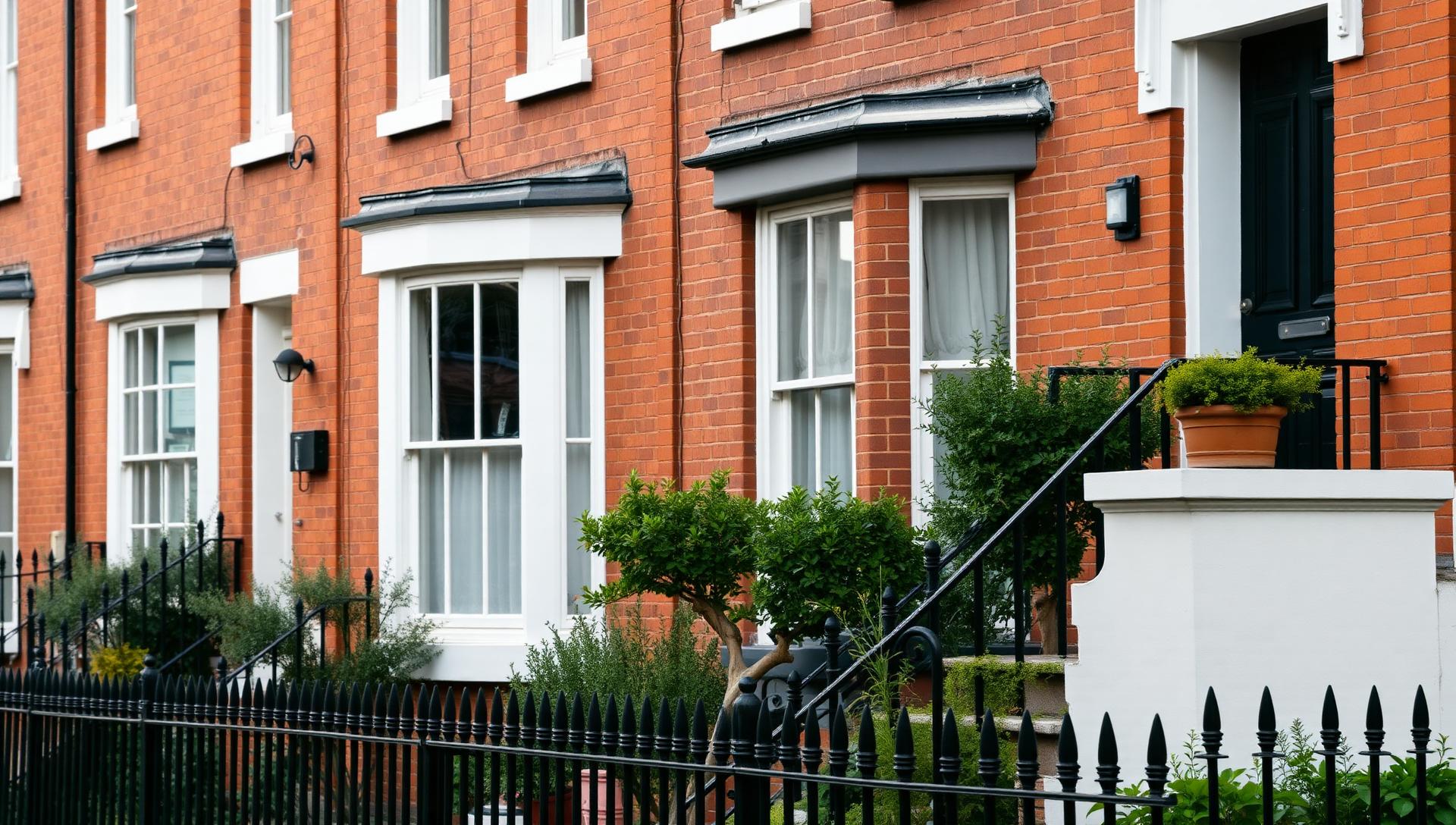
For families in London, the logistics are often compounded by narrow terraced streets, parking restrictions, and the need to coordinate with various professionals like solicitors and estate agents. A structured approach ensures that the property is cleared efficiently while ensuring that important documents and items of sentimental or financial value are carefully preserved.
The process of clearing parents' house after death is the physical removal and ethical disposal of household contents within a deceased person's estate. It serves three primary purposes: fulfilling the legal requirements of probate, settling the estate's liabilities, and preparing the real estate asset for its next chapter.
Typically, the process includes:
| Feature | DIY Approach | Professional Probate Service |
|---|---|---|
| Time Investment | Weeks or months of weekends | Typically 1–3 days |
| Logistics | Hiring vans, arranging permits, heavy lifting | Full logistics managed by the team |
| Valuations | Self-researched (may be inaccurate) | Identification of items for expert appraisal | High; emotionally and physically draining | Managed; practical and respectful distance |
| Outcome | Basic empty property | Market-ready, deep-cleaned property |
Before any furniture is moved or boxes packed, the property must be secured. In London, an empty property can be a risk, and insurance companies often have strict "unoccupied property" clauses that require regular inspections and the turning off of water systems to prevent leaks.
It is also essential to confirm who has the legal right to handle the contents. If there is a will, the executors named are responsible.
If there is no will, the administrators (usually the closest next of kin) will manage the process under the rules of intestacy. We recommend discussing the timeline with your probate solicitor to ensure the clearance aligns with the legal stages of the estate administration.
The first physical task when clearing parents' house after death is a thorough search for paperwork. Do not assume all documents are in a home office; check bedside drawers, kitchen cupboards, and even under mattresses, as older generations often kept "emergency files" in unusual places.
Keep a dedicated folder for:
One of the most difficult aspects of clearing a family home is deciding what to keep. It is helpful to categorise items into four distinct streams: Keep/Distribute, Sell, Donate, and Recycle/Dispose.
Begin with the sentimental items. These are often small but hold the most meaning—photographs, letters, and specific heirlooms.
It is often easier to move these to a safe location before the main clearance starts to avoid them being lost in the bustle of moving large furniture.
HMRC requires a fair market valuation of household contents for probate purposes. While most standard furniture has little "resale" value in the modern market, certain items should always be set aside for professional appraisal.
Look out for:
We can help identify items that might be of interest to auction houses, ensuring you don't inadvertently dispose of assets that belong to the estate's value.
Clearing a property in a major city like London presents unique challenges that a standard rural clearance might not face. From parking suspensions in Kensington to narrow stairwells in Camden flats, the logistics require precision.
London boroughs like Islington, Westminster, and Wandsworth have strict parking enforcement. If we are using a large removal vehicle, we often need to arrange a parking suspension with the local council at least 5 to 10 working days in advance.
If the property is a flat, we also need to consider lift access and time restrictions set by the building's management or concierge. We handle these communications to ensure the clearance proceeds without causing disruption to neighbours or incurring fines.
It is not uncommon for parents to have lived in a home for 40 or 50 years. Over time, areas like lofts, basements, and garages can become heavily cluttered.
In some cases, a parent may have struggled with hoarding or simply been unable to maintain the property in their final years.
Our team is entirely non-judgemental. We have seen properties in every imaginable state of repair and cleanliness.
Our focus is simply on the practical task of clearing the space respectfully and preparing it for its next use, regardless of how much "stuff" has accumulated.
Sustainability is a core component of a modern probate clearance. In the past, clearances often resulted in everything going to landfill.
Today, we prioritise a multi-tiered approach to disposal to ensure the environmental impact is as low as possible.
Many household items—clothing, linens, books, and working appliances—can find a second life through charities. We work with various organisations across London to ensure that usable items benefit those in need.
Note that upholstered furniture must have fire safety labels to be accepted by charities.
For items that cannot be sold or donated, we use licensed waste transfer stations. These facilities sort through the materials, recycling metals, plastics, and wood.
As a professional service, we provide a waste transfer note, giving you peace of mind that the estate's waste was handled legally and responsibly.
Once the house is cleared, the focus shifts to the property as a financial asset. Most executors intend to sell the home to distribute the proceeds to beneficiaries.
An empty, clean house always presents better to potential buyers and estate agents.
Beyond just removing furniture, a comprehensive service includes:
By the time we hand back the keys, the property should be a "blank canvas." This allows estate agents to take high-quality photographs for listings on portals like Rightmove and Zoopla, often leading to a faster sale at a better price.
We understand that many executors do not live in London. You may be managing the estate from another part of the UK or even from abroad.
We are experienced in working remotely with our clients.
We can arrange to collect keys from a local estate agent or solicitor, provide updates via phone or email, and send photographic evidence once the clearance is complete. This removes the need for you to travel back and forth to London, saving you time and travel expenses during a busy period.
Transparency is vital when dealing with an estate's finances. We provide clear, itemised quotes that can be submitted to solicitors or the court if necessary.
Our pricing is straightforward, with no hidden costs for things like stairs or heavy items, provided these were disclosed during the initial assessment.
In older London properties, we occasionally encounter materials that require specialist handling. This is particularly true in homes that haven't been renovated since the 1970s or earlier.
Some common issues include:
We can manage the safe removal of these items, ensuring they are disposed of in accordance with UK health and safety regulations.
The physical clearance usually takes between one and three days depending on the size of the property and the volume of contents. However, the preparation—sorting through personal effects and arranging valuations—can take families several weeks.
We recommend starting the physical clearance only after the family has removed all sentimental items.
Technically, you do not need the Grant of Probate to begin clearing a house, but you do need the authority to do so. Executors can begin sorting and clearing items immediately, especially if the property is rented and needs to be returned to a landlord.
However, you should not sell major assets until probate is granted.
Items that have no resale or sentimental value and are not suitable for donation are taken to a licensed commercial recycling centre. We aim to recycle as much as possible, including wood, metal, and textiles.
Only a small percentage of the clearance typically ends up in landfill.
Yes. We have extensive experience in clearing properties with high levels of clutter.
We handle these situations with complete discretion and sensitivity. We focus on the practical task of clearing the space to make it safe and ready for sale, without any judgement of the previous occupant's lifestyle.
Absolutely. We frequently coordinate with London-based solicitors and estate agents to collect keys and manage access.
This is particularly helpful for executors who live far away. We can provide all necessary documentation and photos once the job is finished so you can keep the estate records up to date.
Costs vary based on the volume of items to be removed, the London borough (which affects parking and disposal fees), and the labour required. We provide a free, no-obligation quote after a brief discussion or a site visit.
We are transparent about our pricing, ensuring the estate is not hit with unexpected bills.
While you can, many executors prefer to use our professional deep-cleaning service. A probate property often needs more than a simple vacuuming; it may require sanitising kitchens and bathrooms that haven't been used for a while.
A professional clean makes the property significantly more attractive to buyers.
If you are responsible for clearing parents' house after death, we are here to help you navigate the practical challenges. Whether the property is a small flat in Westminster or a large family home in Bromley, our team provides a respectful, efficient, and professional service.
We can manage the entire process for you, from identifying items that should be retained or valued to clearing, recycling, and preparing the property for sale. This allows you to focus on the legal and personal aspects of the estate while we handle the heavy lifting.
Talk to us about the property today to request a probate clearance quote or to discuss your specific requirements. We cover all London boroughs and can usually arrange a visit or quote within 24–48 hours.
Last updated
About the author
Founder & Owner
Mariusz Baran is the founder and owner of Probate Clearance London, We Clear Everything London Ltd and House and Office Clearance Ltd. He has extensive hands-on experience in probate, bereavement and general property clearance across Greater London.
Handle a house clearance after death with ease. Probate Clearance London offers respectful, expert estate services.
Simplify your estate clearance with Probate Clearance London. Our expert guide covers probate, logistics, and valuation.
Ease the burden of bereavement house clearance with our expert London team. Respectful, professional probate support.
Practical, sensitive house clearance for beneficiaries and families, including those living outside London. Free assessment, clear updates, no obligation.
Clearance support for auctioneers and antiques dealers, handling the residual contents of a property once items of value have been identified and removed.
Clearance for probate valuers and RICS surveyors, carried out once contents valuations are complete, with items handled carefully and nothing removed.
Navigating the practicalities following a bereavement is a significant undertaking that requires both logistical precision and emotional sensitivity.
When searching for probate clearance near me, you are likely looking for more than just a physical service; you are seeking a partner to help manage a transition with dignity and professional integrity.
Valuing the contents of a property is a critical step in the estate administration process.
When a person passes away, the executor or administrator is responsible for providing a fair market valuation of all personal possessions to HM Revenue & Customs (HMRC).
Navigating the logistics of a property after a loved one has passed away is an inherently sensitive undertaking.
After death house removals represent more than just the physical clearing of a space; they are a vital step in the administration of an estate, requiring a delicate balance of emotional intelligence and professional efficiency.
Managing the practicalities of an estate can be a significant undertaking, particularly when it involves assessing the contents of a family home.
How to value household goods for probate is a question frequently asked by executors who need to provide an accurate account of a deceased person's estate to HM Revenue & Customs (HMRC).
Navigating the practicalities following a bereavement requires a delicate balance of emotional resilience and logistical precision.
When a loved one resided in a local authority property, the process of council house clearance after death carries specific timeframes and obligations that differ significantly from private ownership.
When you are appointed as an executor or find yourself managing the affairs of a loved one in London, you will frequently encounter the term "personal chattels".
Understanding what are personal chattels in a will is fundamental to ensuring the estate is distributed correctly and that the physical contents of a property are handled according to the law.
Navigating the logistical requirements of a bereavement requires a delicate balance of practical efficiency and emotional consideration.
An executry estate clearance is the professional process of vacating a deceased person's residence, ensuring the property is managed according to legal requirements and the wishes of the estate.
Value antiques before anything leaves the property.
Once an item is gone, proving what it was worth is hard.
Managing the departure of a loved one involves a complex tapestry of emotional and practical duties.
Among the most significant is the physical clearing of their residence, a task that often prompts the question: what happens to belongings after house clearance?
Yes.
House clearance is normally treated as an estate administration expense.
Stepping into the role of an executor is a profound responsibility, blending the emotional weight of loss with a sudden influx of administrative duties.
Among the most critical tasks is the preservation of the deceased's assets, specifically their property.
In many instances, the presence of reusable furniture or saleable household effects can be factored into the final cost of a probate house clearance.
This process, often referred to as offsetting clearance costs with saleable items, involves a professional assessment of the estate's contents.
Managing the practicalities of a property after a bereavement is a significant responsibility.
A probate house clearance in Brent involves more than just moving furniture; it requires a methodical approach to sorting personal effects, identifying assets for valuation, and preparing a home for its next chapter, whether that is a sale, a new tenancy, or a transfer to beneficiaries.
Navigating the transition of a property after a bereavement is a significant responsibility that involves legal, financial, and practical considerations.
What Happens To A House When The Owner Dies depends largely on the title deeds, the presence of a valid Will, and the ongoing maintenance requirements of the building itself.
Managing the practicalities of a property after a bereavement is a significant responsibility.
A probate house clearance in Bromley involves more than just removing furniture; it requires a methodical approach to sorting personal effects, identifying assets for the estate valuation, and preparing the building for its next chapter.
Administering a family member's estate is a significant responsibility that involves a considerable amount of paperwork.
In the UK, executors and administrators must navigate a landscape of legal, tax, and financial obligations that don't simply end when the Grant of Probate is issued.
Managing the practicalities of a property after a bereavement is a significant responsibility.
A probate house clearance Camden service provides a professional solution for executors and families who need to clear a home in preparation for sale, transfer, or valuation.
Managing a family home after a bereavement is a significant responsibility that involves a blend of emotional processing and practical administration.
Knowing what to do with parents belongings after death requires a structured approach to ensure that the estate is handled correctly, legal obligations are met, and the property is eventually prepared for its next chapter.
Next step
Free, no-obligation assessment across Greater London and the M25. At Probate Clearance London, we work to your timescale and to the executor's requirements.
Learn more about probate house clearance